
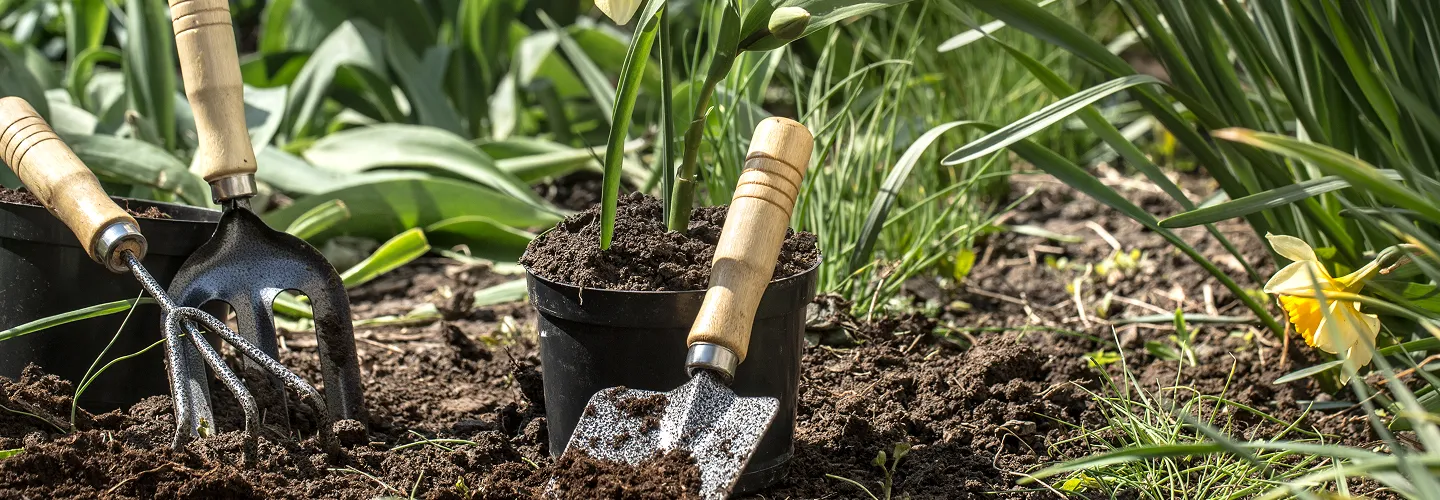
Cusseta Plant Removal Services
Choose our plant removal experts for hassle-free, eco-friendly solutions that restore your landscape’s beauty and protect your property from unwanted growth.
Get a Free QuoteOur Cusseta Landscaping & Yard Care Services
When to Schedule Plant Removal in Cusseta, Georgia – Seasonal Guide
In Cusseta, Georgia, the best time for plant removal is typically late winter through early spring, before new growth begins and while the ground is still relatively soft from winter rains. This timing helps minimize disruption to surrounding vegetation and makes root extraction easier, especially in neighborhoods near the Chattahoochee River or around the historic Cusseta Courthouse Square, where soil moisture and shade coverage can vary. Local frost dates—usually ending in early March—are important to consider, as removing plants before the last frost can help prevent regrowth and reduce the risk of spreading disease.
Cusseta’s climate features hot, humid summers and mild winters, with occasional drought conditions that can affect soil stability and plant health. Areas like the Piney Woods subdivision or properties bordering the Fort Benning reservation may experience unique challenges due to dense tree cover or sandy soils. Always check for municipal restrictions and consult resources like the Sudbury town website for guidance on local regulations and best practices.
Local Factors to Consider for Plant Removal in Cusseta
- Tree density and shade coverage, especially in wooded neighborhoods
- Soil type (sandy vs. clay) and drainage conditions
- Seasonal precipitation and drought risk
- Frost dates and temperature fluctuations
- Terrain slope and accessibility
- Municipal restrictions or permit requirements
Benefits of Plant Removal in Cusseta
Improved Curb Appeal
Healthier Landscapes
Enhanced Property Value
Reduced Pest Infestations
Efficient Land Use
Professional and Safe Service
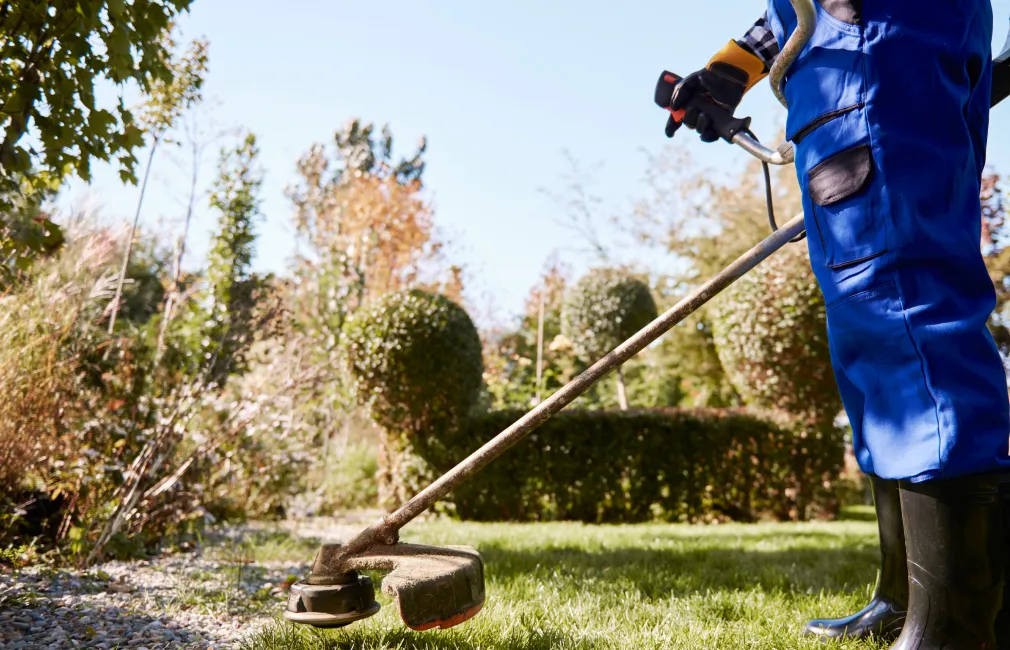
Cusseta Plant Removal Types

Tree Removal
-
Shrub Removal
-
Stump Grinding
-
Invasive Species Removal
-
Root Extraction
-
Brush Clearing
-
Hedge Removal
Our Plant Removal Process
Site Evaluation
Preparation and Safety Measures
Plant Extraction
Debris Removal
Site Restoration
Why Choose Cusseta Landscape Services
-
Trusted by Cusseta Homeowners
-
Expert Lawn Maintenance
-
Reliable Scheduling
-
Competitive Pricing
-
Professional Team
-
Satisfaction Guarantee
-
Personalized Service
Navigating Cusseta-Chattahoochee County's Planning and Zoning Process for Plant Removal Projects
Property owners in Cusseta considering plant removal on developed or undeveloped parcels should first determine whether the scope of work triggers any local review. Cusseta-Chattahoochee County operates as a unified government, and the Planning and Zoning office oversees land-use compliance that may affect vegetation clearing, particularly on parcels near road frontages, drainage easements, or zoning transition areas. Before removing established plantings, hedges, or ornamental trees from a property, residents should verify whether the work falls within any regulated setback, buffer, or sight-triangle zone. Key steps include:
- Contacting Planning and Zoning to confirm whether the parcel has overlay restrictions or easement conditions
- Reviewing the Cusseta-Chattahoochee County Municipal Code for building and land-disturbance provisions
- Identifying whether the removal site is within a floodplain or stream buffer area
Cusseta falls within USDA Hardiness Zone 8b, and the region's long growing season means removed vegetation can regenerate quickly if root systems are not fully extracted.
Cusseta-Chattahoochee County Planning and Zoning
14001 U.S. Highway 27, Cusseta, GA 31805
Official Website: Cusseta-Chattahoochee County Planning and Zoning
Identifying Invasive and Nuisance Plants Common to Cusseta's Chattahoochee River Corridor
Cusseta-Chattahoochee County sits along the western Georgia border near the Chattahoochee River, and the surrounding lowland corridors, creek drainages, and wooded edges harbor several aggressive invasive species. Proper plant removal in this area requires accurate identification before any clearing begins. Species commonly encountered in the region include:
- Chinese privet (Ligustrum sinense) — dense thickets along creek banks and fence lines
- Kudzu (Pueraria montana) — rapid vine growth smothering native canopy along roadsides and woodland margins
- Japanese honeysuckle (Lonicera japonica) — aggressive vine colonizing disturbed soils and forest edges
- Cogongrass (Imperata cylindrica) — a state-listed noxious weed spreading through sandy and disturbed soils
The UGA Cooperative Extension and UGA Extension - Invasive Species program provide identification guides and management recommendations specific to Georgia's Fall Line and lower Piedmont regions. The Georgia Forestry Commission also offers technical assistance for invasive plant management on forested parcels. Misidentification can lead to the removal of beneficial native species, so professional assessment is strongly recommended before large-scale clearing.
Cusseta's Sandy Loam and Tifton Soils: How Local Soil Conditions Affect Root Extraction
Chattahoochee County lies along Georgia's Fall Line, where the Piedmont transitions into the upper Coastal Plain. Soils in and around Cusseta are predominantly sandy loams and loamy sands from the Tifton, Orangeburg, and Norfolk soil series, according to the USDA Web Soil Survey. These soils are generally well-drained with moderate to low organic matter and a naturally acidic pH, typically ranging from 4.8 to 5.8. These characteristics directly affect plant removal operations:
- Sandy loam soils allow deeper root penetration, requiring thorough excavation to prevent regrowth
- Low clay content means root balls may break apart during extraction, leaving viable fragments behind
- Well-drained conditions can cause herbicide-treated stumps to dry out before systemic uptake is complete
- Acidic soils favor the persistence of species like privet and wax myrtle, which tolerate low-pH environments
Contractors and property owners should plan for follow-up monitoring within 60–90 days after initial removal, as residual root material in these porous soils frequently produces new shoots during the warm months from April through October.
Protecting Cusseta's Creeks and Drainage Channels During Plant Removal Operations
Cusseta-Chattahoochee County contains numerous small creeks, seasonal drainages, and stormwater channels that feed into the Chattahoochee River watershed. Plant removal work near these features requires careful attention to erosion control and water quality protection. The Georgia EPD Watershed Protection Branch enforces state water quality standards that apply to land-disturbing activities, and any removal project that exposes bare soil on slopes or near waterways may trigger erosion and sedimentation requirements. Residents and contractors should observe the following precautions:
- Maintain a minimum 25-foot undisturbed vegetative buffer along perennial streams unless a variance is obtained
- Install silt fencing or erosion control blankets on slopes greater than 3:1 before removing root masses
- Avoid stockpiling removed plant material within drainage swales or ditch lines
- Schedule removal during dry periods when possible to minimize sediment transport
The Cusseta-Chattahoochee County Public Works Department can advise on local drainage infrastructure and right-of-way boundaries that may affect removal site access and debris staging.
Cusseta-Chattahoochee County Public Works Department
14001 U.S. Highway 27, Cusseta, GA 31805
Official Website: Cusseta-Chattahoochee County Public Works Department
Georgia Pesticide Licensing Requirements for Herbicide Use in Plant Removal
When plant removal involves the application of herbicides—whether for stump treatment, foliar spray on invasive species, or soil-applied pre-emergent control—Georgia law requires that commercial applicators hold a valid pesticide applicator license. The Georgia Pesticide Use and Application Act of 1976 establishes licensing categories, and the Georgia Department of Agriculture administers certification and renewal. Key compliance points for Cusseta-area plant removal projects include:
- Commercial applicators must hold a Category 6 (Right-of-Way) or Category 3 (Ornamental and Turf) license depending on the application site
- Restricted-use herbicides such as triclopyr ester formulations require additional documentation and record-keeping
- Homeowners applying herbicides on their own property are generally exempt from licensing but must follow all label directions
- Herbicide applications within 50 feet of any water body should use aquatic-labeled products only
Property owners hiring contractors for chemical plant removal should request proof of current Georgia pesticide applicator licensing before work begins. The Georgia Department of Agriculture - Agricultural Pest Control page provides verification resources and complaint procedures.
What Neighborhoods Do We Serve Throughout Cusseta, GA?
- Downtown Cusseta: Older residential lots along and near U.S. Highway 27 often feature mature ornamental plantings, overgrown foundation shrubs, and privet hedges that require careful removal near aging infrastructure and sidewalks.
- Fort Moore (formerly Fort Benning) Adjacent Areas: Properties along the northern portions of Chattahoochee County near the military installation boundary frequently contend with aggressive volunteer growth from pine and sweetgum, as well as kudzu encroachment from adjacent wooded tracts.
- Ochillee Road Corridor: Rural-residential parcels in this area feature sandy loam soils with deep-rooted wax myrtle and privet colonies along fence lines and drainage ditches, requiring thorough root extraction to prevent regrowth.
- Britt David Road and Surrounding Properties: Lots in this area often border wooded corridors with honeysuckle and smilax vine pressure, and plant removal must account for proximity to seasonal creek drainages.
- Highway 26 East Residential Areas: Properties east of downtown toward the county line feature larger lots with mixed pine-hardwood edges where volunteer saplings and invasive understory plants require periodic clearing to maintain usable yard space.
- Cusseta-Chattahoochee County Parks Vicinity: Residential properties near Parks and Recreation facilities may border maintained public land, and plant removal along shared boundaries should be coordinated to avoid disturbing public plantings or drainage features.